
Materials Used in Graphite Shafts
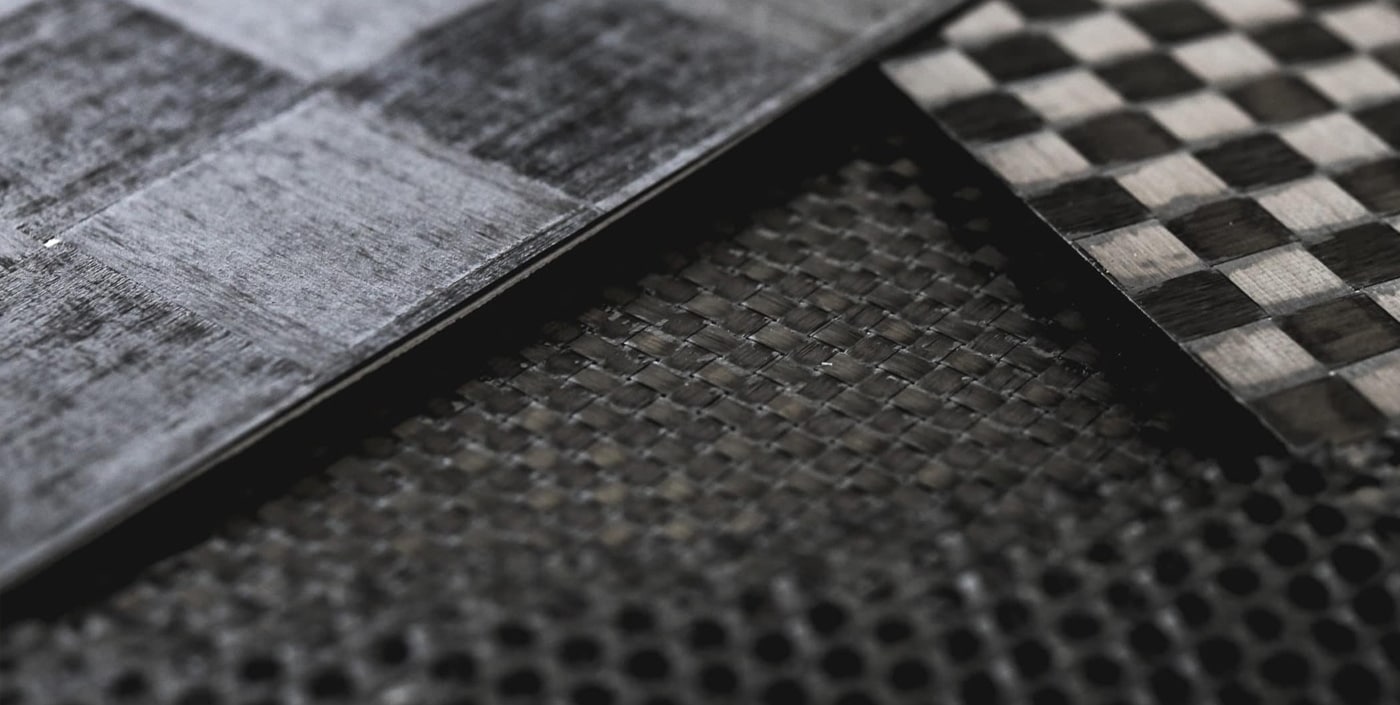
Once our three fundamental questions and performance attributes have been outlined, we then strategically select the materials needed for the product.
Graphite shafts are made with advanced composite materials known as CFRP (carbon fiber reinforced plastics). We utilize products with MCFC (maximum carbon fiber content) to ensure low resin, and high carbon fiber content in our pre-preg materials. However, we are also conscious of maintaining a specific balance between the resin and carbon fiber content to maintain acceptable levels of product durability.
All of Fujikura’s composite materials are stored at a constant temperature of 40°F to ensure consistency from design to finished specs. We maintain a high-level of material standards from every single material supplier, requiring them to provide products at a nominal state (which we’ve determined) to center material tolerances. This extra step reduces the number of variances between shafts produced throughout the product’s lifecycle. Our goal is for every shaft we produce to not just be “in-spec” but on target, no matter the time of production. When the needed materials have been determined, sheets are then cut to exacting specifications.






 Fujikura Japan